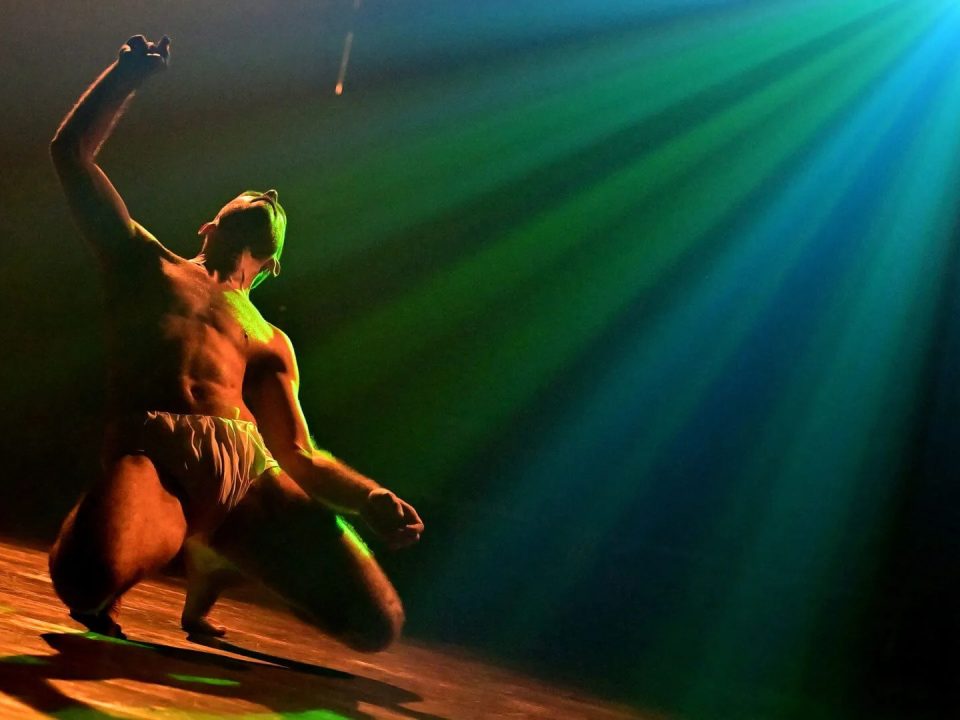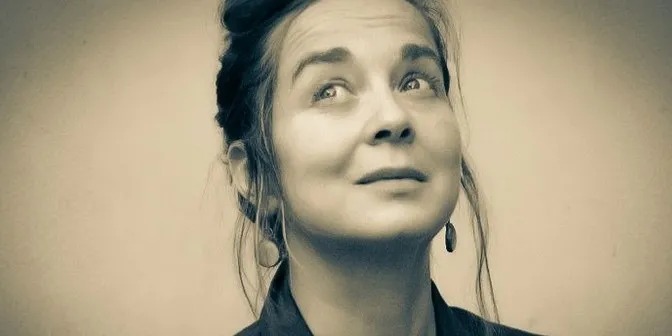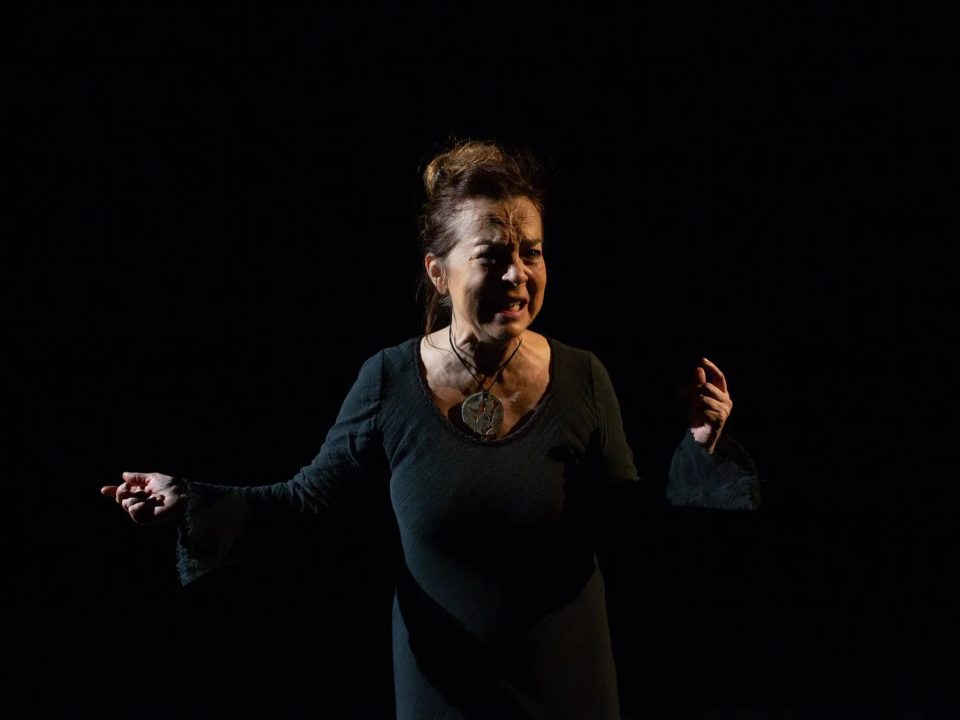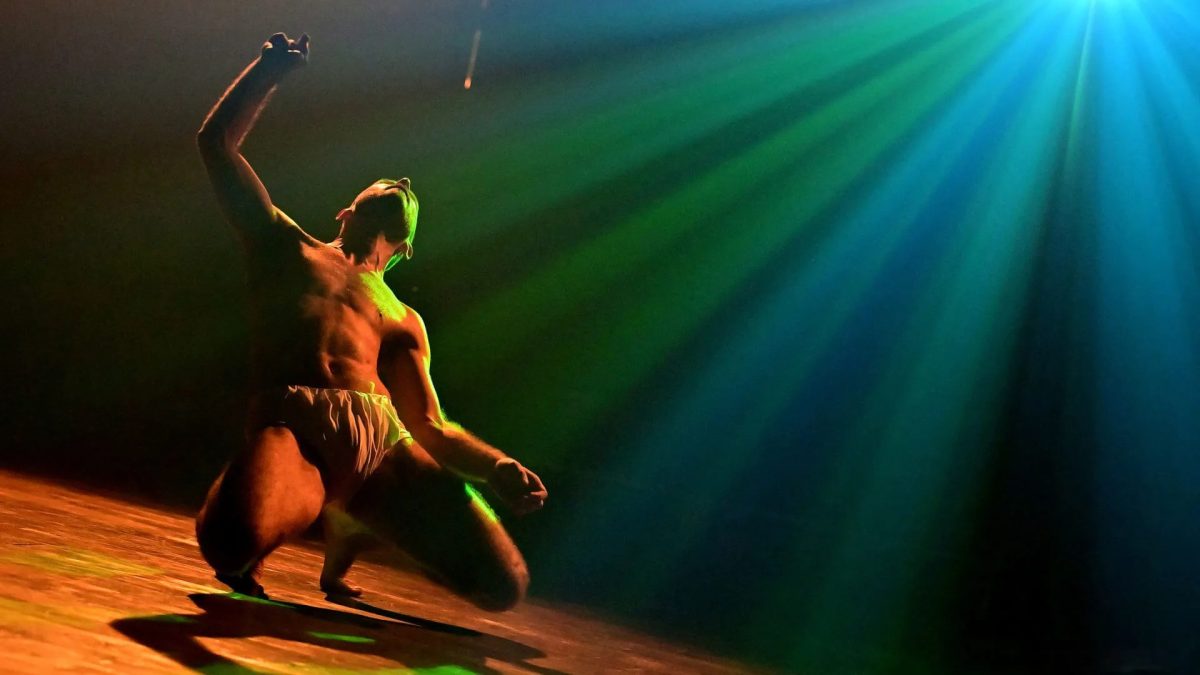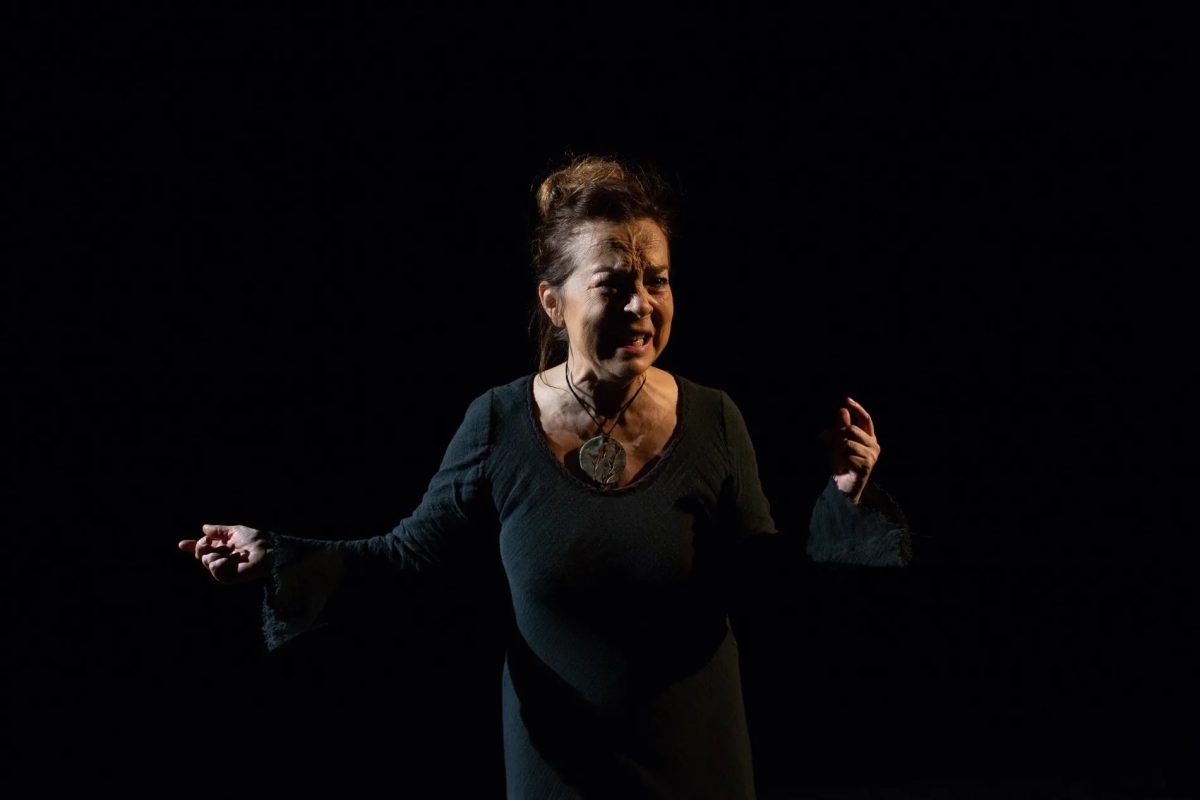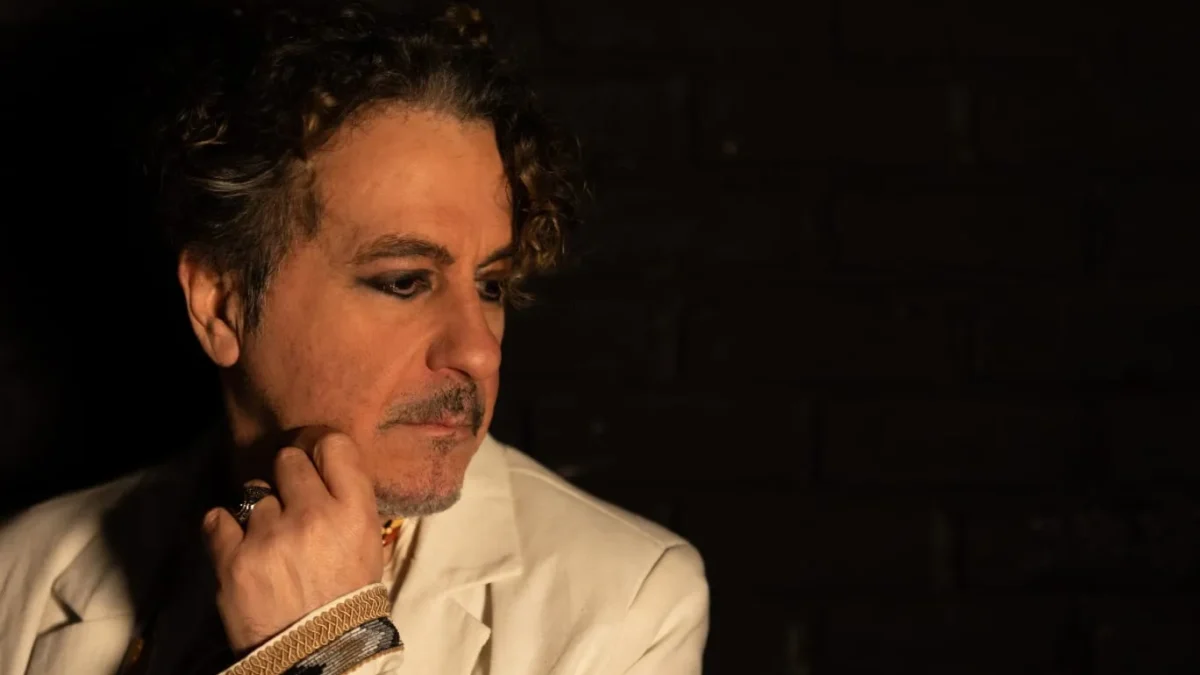
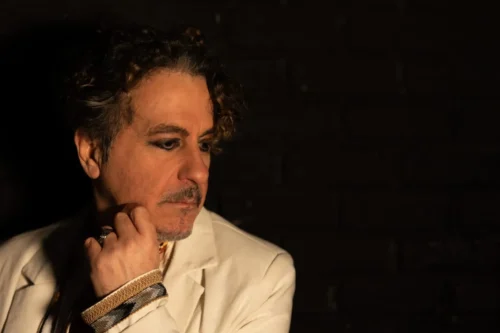
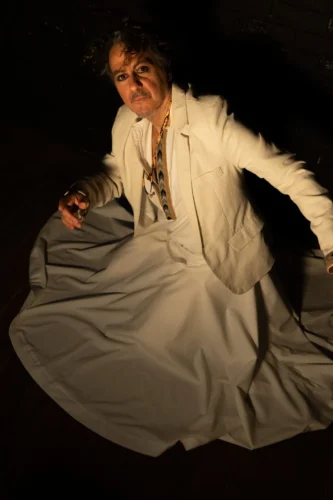
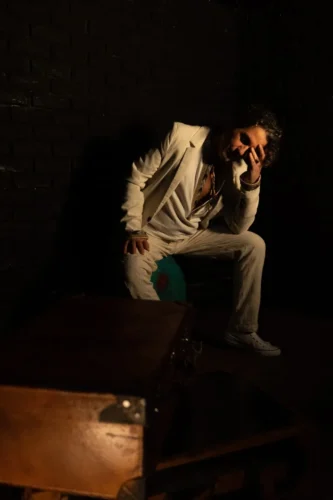
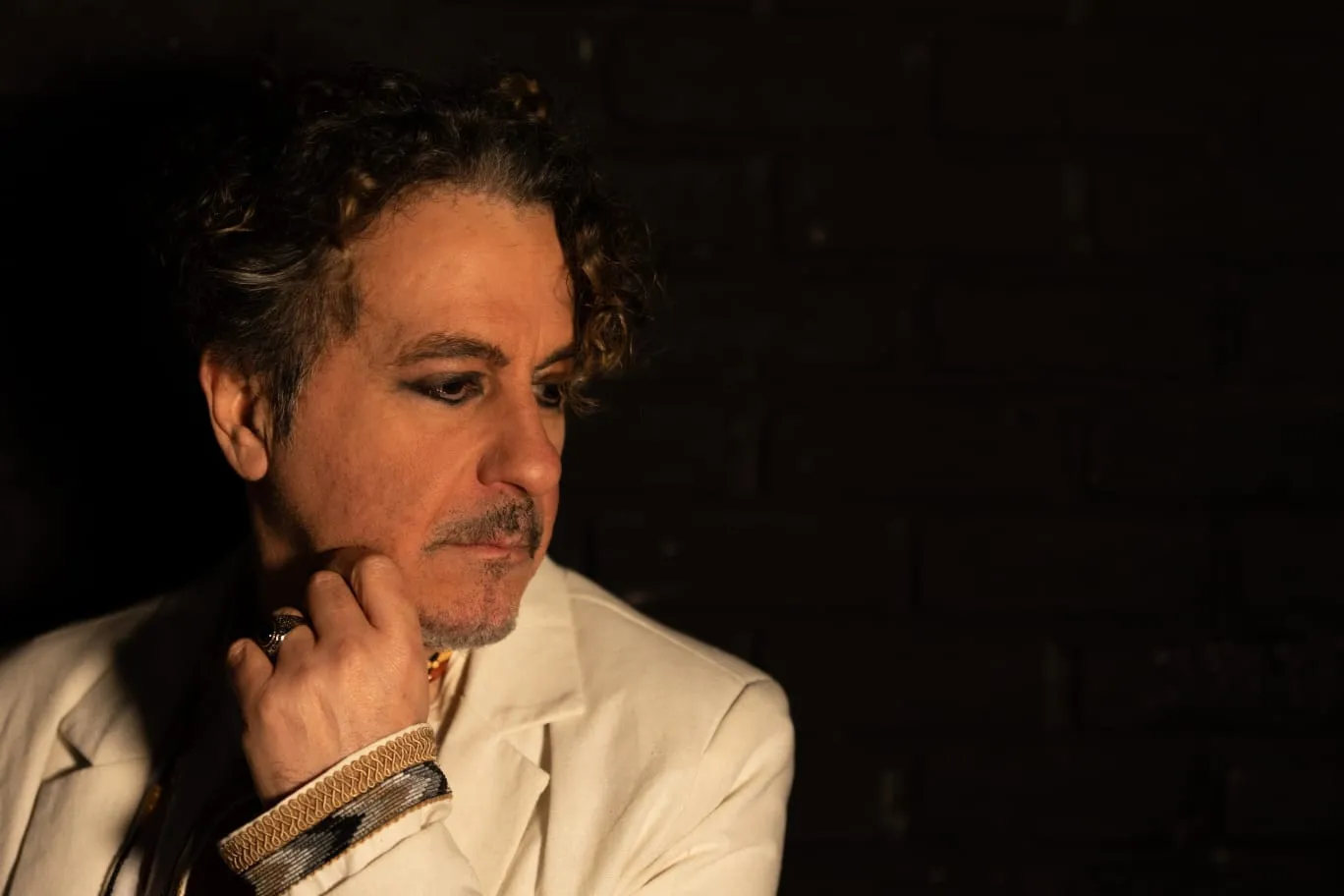
Gianni De Feo is a certainty that, at every show, manages to recreate the suspension of thought, breath and doubt on stage. He knows how to make everything else disappear and offer the vision of words, the image of meaning

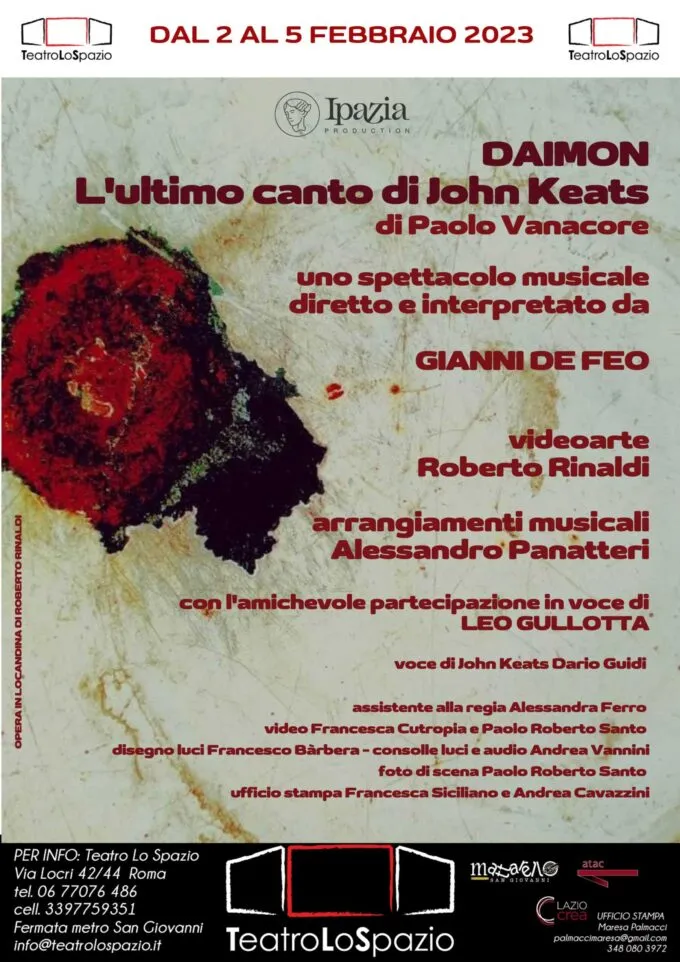

On a cold and windy Roman autumn, psychoanalyst and philosopher James Hillman walks the leaf-paved road from the Lungotevere to the Pyramid of Cestius, where the English poet John Keats is buried. He considers the person he considers his noble guide: the daimon, a divine presence charged with fulfilling the higher plan that each of our souls chose before birth and forgot the moment we entered the world.
An encounter both real and supernatural, which becomes a search for one’s own vocation as a memory of something indefinite that one cannot grasp during one’s life and that makes one feel forever incomplete. Hillman takes up Keats’s concept of poetry as “making soul,” meaning an effort to understand oneself in order to acquire one’s own singular identity and, of course, the right place in the world.
The plot of Vanacore’s story unfolds between poetry, music and art, in an essential scenography: a few elements that seem to emerge from the sand or suspended among the waves of the sea, that infinite ocean that washes Atlantic City from which the first memories of childhood. Numerous video installations are the backdrop: abstract works with bright and contrasting colors that will be projected on the screen, created by the artist Roberto Rinaldi, which will give shape to the word following the thread of narration, music and art.
A narrative counterpointed by short poetic peaks on lyrical shreds by Keats himself, evoked by the voice of Leo Gullotta. Some of the most evocative songs by Franco Battiato and Giuni Russo, sung live by De Feo on arrangements by Alessandro Panatteri, outline the most intimate and subtle path of this journey of the soul, in the shadow of light.


P.IVA e C.F. 16062711003
Via Modena, 5 Roma, RM, 00042, Italia
Sos. Nicolae Titulescu nr 1, bl. A7, et. 1, sc. B, ap.30, Sect. 1, P.ta Victoriei, Bucuresti